
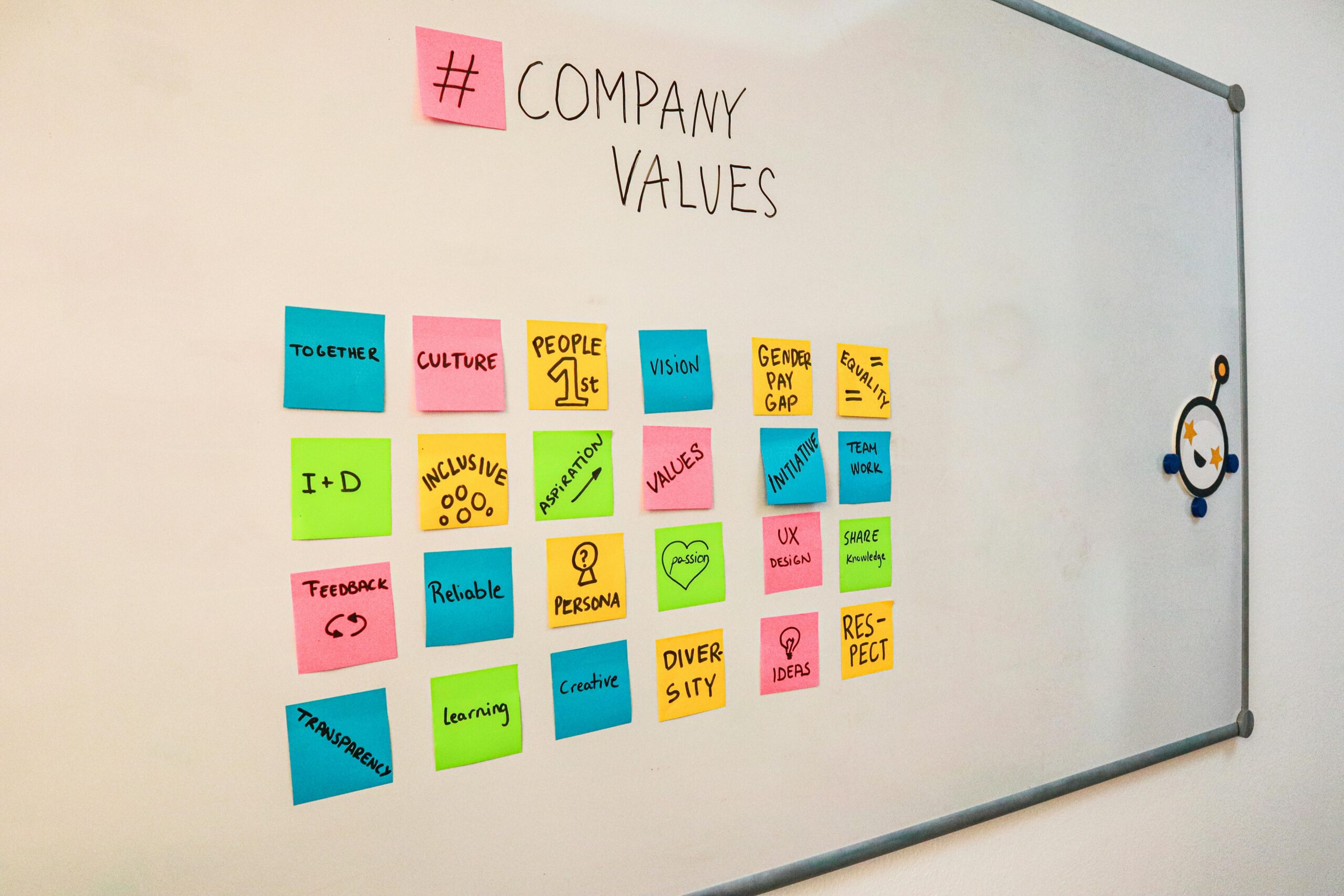
Executive stakeholder alignment directly shapes project outcomes, capital efficiency, and portfolio performance. When senior leaders are not aligned, project teams pay the price—in rework, delays, and lost value.
According to the Project Management Institute in Pulse of the Profession 2023, organizations with high-performing project practices waste 28 times less money than low performers. One consistent differentiator: strong executive sponsorship and leadership alignment. Strategy alone is not enough. Leaders must interpret and reinforce it the same way.
Where Executive Alignment Breaks Down
Even capable leadership teams struggle with alignment. Research published in the Harvard Business Review found that only 28% of executives and middle managers responsible for execution could list three strategic priorities (Sull, Homkes & Sull, 2015). If leaders cannot clearly articulate priorities, alignment at the portfolio level is unlikely.
Typical breakdown points include:
- Different definitions of success
- Unclear sponsorship accountability
- Late-stage scope changes driven by executive intervention
- Funding decisions disconnected from capacity realities
For the PPMO, this shows up as churn, political escalation, and inconsistent governance.
Making Alignment Structural, Not Aspirational
Executive stakeholder alignment should be designed into governance, not left to personality dynamics.
1. Formal Sponsor Charters
Every strategic initiative should have a documented sponsor charter. It should define decision rights, escalation paths, and benefit ownership. Clear sponsorship reduces one of the most common causes of failure: weak executive support.
2. Shared Portfolio Metrics
McKinsey & Company reports that organizations linking initiatives to measurable strategic outcomes are 1.5 times more likely to outperform peers in total shareholder returns (Closing the Strategy-to-Execution Gap, 2015). Alignment improves when executives commit to shared enterprise KPIs rather than functional metrics.
3. Consistent Decision Cadence
A disciplined portfolio review cadence—monthly or bi-monthly—forces collective trade-off discussions. Decisions made together reduce downstream reversals.
4. Clear Risk Appetite
Explicit agreement on financial, operational, and reputational risk thresholds prevents late-stage executive overrides that destabilize delivery.
The Behavioral Dimension of Alignment
Governance structure matters, but behavior determines effectiveness.
In The Five Dysfunctions of a Team, Patrick Lencioni explains that absence of trust and avoidance of healthy conflict weaken leadership cohesion. When executives avoid constructive debate early, disagreements resurface later as operational disruption.
Strong executive teams demonstrate:
- Open debate before approving initiatives
- Visible unity after decisions are made
- Consistent messaging to sponsors and delivery teams
Mixed signals from senior leaders create ambiguity. Ambiguity creates delay.
The PPMO’s Role in Engineering Alignment
Alignment is measurable. High-performing PPMOs treat it as a capability.
Practical actions include:
- Executive alignment workshops before annual portfolio planning
- Mapping sponsorship maturity across initiatives
- Reporting on sponsor engagement as part of governance dashboards
- Linking benefit realization to named executive owners
When sponsorship accountability is visible, behavior changes.
The Business Impact
Sustained executive stakeholder alignment produces tangible results:
- Faster decisions
- Reduced portfolio churn
- Better resource prioritization
- Higher benefit realization
Without alignment, even strong project management frameworks struggle. With it, delivery maturity accelerates.
Conclusion
Executive stakeholder alignment is a core leadership discipline. It reduces waste, strengthens sponsorship accountability, and protects enterprise value. For c-level executives and PPMO leaders, alignment must be intentional, structured, and reinforced. When leaders move in the same direction, the portfolio follows.
Reference
Pulse of the Profession 2023 | Project Management Institute | 2023
Closing the Strategy-to-Execution Gap | McKinsey & Company | 2015
The Five Dysfunctions of a Team | Patrick Lencioni | 2002
Strategy Execution Unmasked | Donald Sull, Rebecca Homkes & Charles Sull | Harvard Business Review | 2015