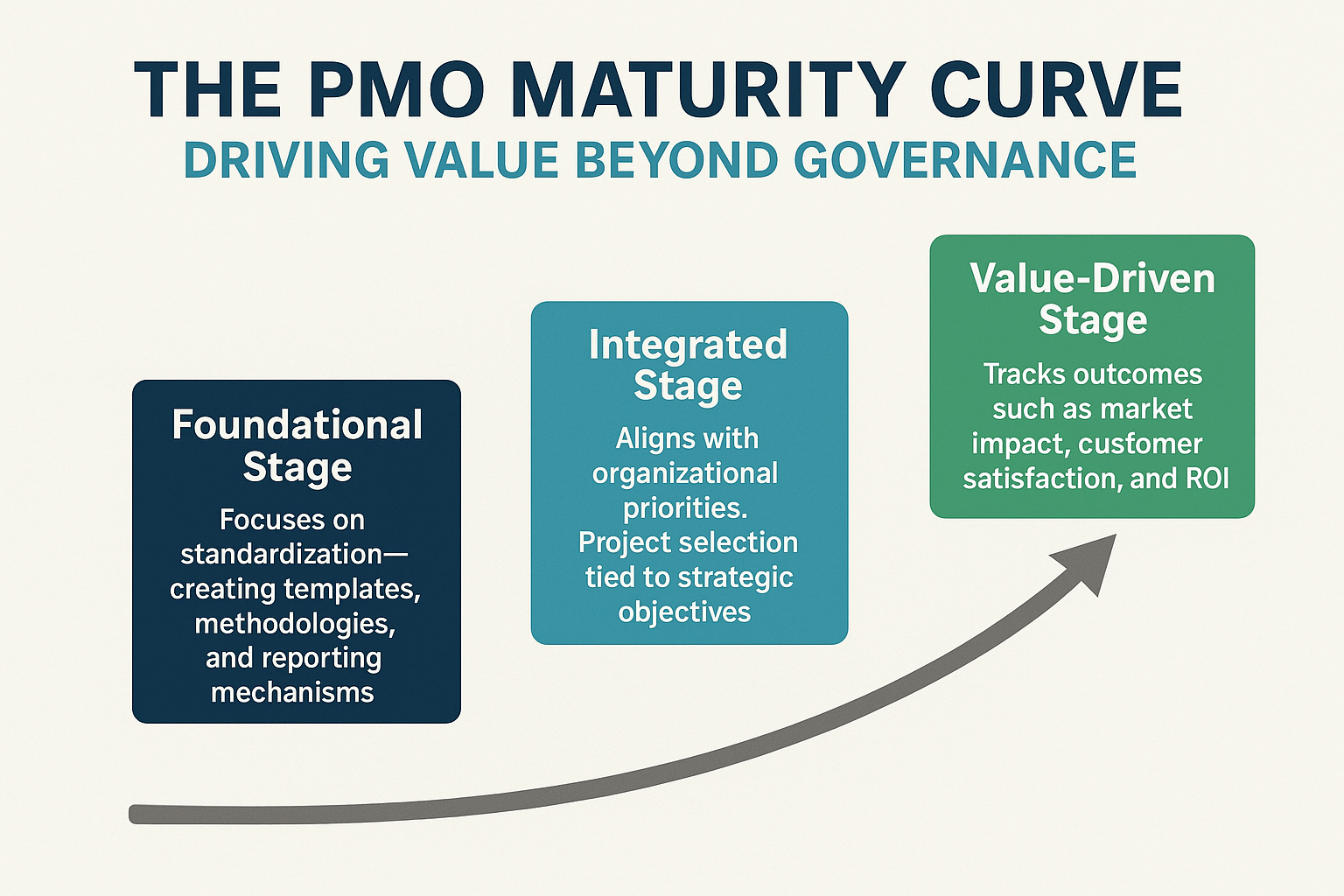

Organizations rarely fail because they lack project ideas. They fail because too many initiatives enter the portfolio without proper scrutiny. A mature PMO intake process creates the discipline needed to evaluate demand, align investments with strategy, and protect delivery capacity before projects consume resources.
Many PMOs focus heavily on execution governance but overlook intake governance. That gap creates bloated portfolios, delayed delivery timelines, and conflicting priorities across departments.
According to the 2024 Pulse of the Profession by Project Management Institute, organizations with mature portfolio management practices achieve significantly higher project performance and waste less investment due to poor prioritization. PMOs that standardize intake processes improve visibility into strategic alignment before funding decisions are made.
The Hidden Cost of Weak Intake Processes
When intake controls are weak, organizations often approve projects based on executive influence rather than measurable business value. The result is predictable:
- Resource overload
- Constant reprioritization
- Duplicate initiatives
- Delayed strategic outcomes
- Low stakeholder confidence
Research from McKinsey & Company found that large projects frequently exceed budgets and schedules because organizations underestimate complexity during early approval stages. Many of those failures originate before execution even begins.
A PMO should not function as an administrative routing office. It should act as a strategic gatekeeper that validates whether work deserves organizational investment.
What Strong PMO Intake Looks Like
High-performing PMOs typically establish four core intake controls:
1. Standardized Business Cases
Every proposed initiative should answer the same core questions:
- What strategic objective does this support?
- What measurable value will it deliver?
- What resources are required?
- What operational risks exist?
- What happens if the initiative is delayed?
Standardization allows leadership teams to compare initiatives objectively instead of evaluating proposals with inconsistent data.
2. Capacity-Based Prioritization
One of the most common PMO mistakes is approving projects without confirming delivery capacity.
Gartner has consistently emphasized that resource constraints remain one of the largest barriers to execution success. PMOs that integrate capacity planning into intake decisions reduce portfolio instability and improve forecasting accuracy.
If the organization has capacity for ten strategic initiatives, approving twenty does not create ambition. It creates failure conditions.
3. Governance Thresholds
Not every request requires executive review. Mature PMOs establish governance thresholds based on:
- Budget size
- Strategic impact
- Regulatory exposure
- Cross-functional complexity
- Risk level
This prevents leadership bottlenecks while ensuring critical investments receive proper oversight.
4. Decision Transparency
Employees lose confidence in PMOs when approvals appear political or inconsistent.
Strong intake governance includes:
- Published evaluation criteria
- Clear approval timelines
- Defined escalation paths
- Transparent scoring models
Transparency improves stakeholder engagement and reduces friction between business units.
Why Executives Should Care
Executives often measure PMO effectiveness through delivery metrics alone. However, portfolio performance is heavily influenced by the quality of decisions made before execution starts.
A disciplined PMO intake model helps executives:
- Fund initiatives tied directly to strategy
- Reduce unnecessary project spending
- Improve enterprise resource allocation
- Increase delivery predictability
- Eliminate low-value work earlier
In many organizations, the fastest way to improve project outcomes is not better execution methodology. It is better project selection.
Conclusion
PMOs create value when they help organizations make better investment decisions, not simply track project status. Intake discipline establishes the foundation for portfolio stability, strategic alignment, and delivery success.
Organizations that strengthen intake governance gain clearer visibility into priorities, protect finite resources, and reduce execution risk before projects begin. As portfolios grow more complex, PMOs that master intake management become critical decision-making partners for executive leadership.
Reference
Pulse of the Profession 2024 | Project Management Institute | 2024
Delivering Large-Scale IT Projects on Time, on Budget, and on Value | McKinsey & Company | 2012
Adaptive Project and Portfolio Management Research | Gartner | Multiple Publications and Research Notes | 2023-2025