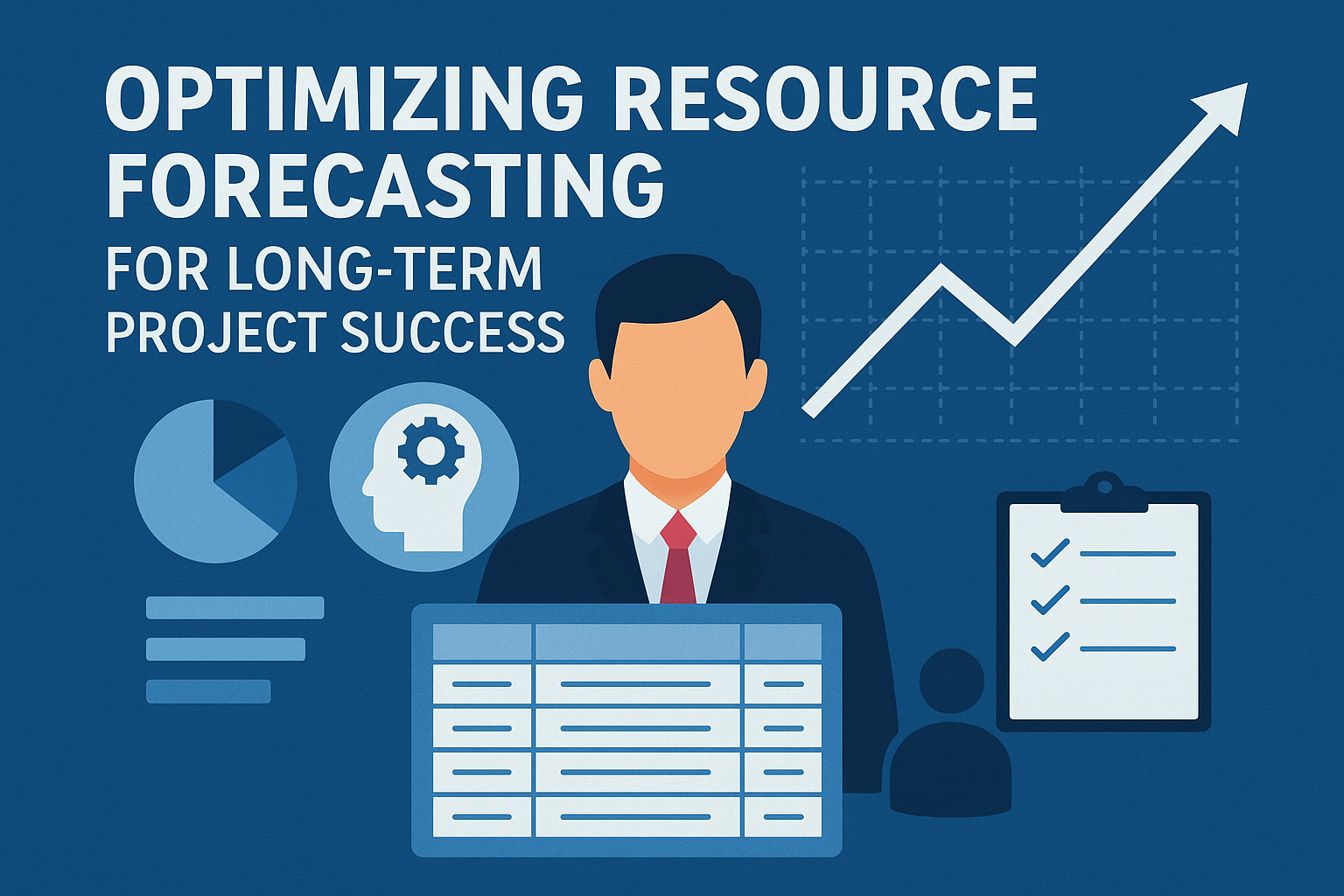

Most PMOs focus on resource availability. They track utilization, staffing levels, and project assignments. However, one resource management risk often goes unnoticed: key-person risk.
Key-person risk occurs when critical knowledge or skills are concentrated in one individual. If that person leaves, becomes unavailable, or is assigned elsewhere, project delivery can suffer quickly.
For many organizations, this risk is hidden until it creates delays, budget overruns, or missed strategic objectives.
Why Key-Person Risk Matters
High-performing employees are often assigned to the most important initiatives. Over time, they become the primary source of knowledge for systems, processes, customers, or technologies.
While this may seem efficient, it creates a single point of failure.
According to LinkedIn Learning’s Workplace Learning Report 2024, organizations continue to invest heavily in skills development and internal mobility because replacing specialized talent remains difficult and costly.
For PMOs, the challenge is not simply finding talent. It is ensuring critical expertise is shared across the organization.
Signs Your Portfolio Has a Key-Person Problem
Many organizations do not realize they have a problem until a project is disrupted.
Watch for these warning signs:
- The same experts are assigned to every strategic initiative.
- Critical processes are poorly documented.
- Project decisions depend on one individual.
- Resource requests repeatedly target the same specialists.
- Knowledge transfer activities are delayed or skipped.
- Project schedules frequently revolve around a single resource’s availability.
If several of these conditions exist, your portfolio may be carrying more risk than reporting dashboards reveal.
The Cost of Resource Concentration
Key-person risk affects more than individual projects.
When specialized knowledge sits with one person, organizations often experience:
- Slower project delivery
- Increased scheduling conflicts
- Reduced organizational agility
- Higher onboarding costs
- Greater disruption during employee turnover
Research from the Project Management Institute (PMI) consistently highlights the importance of knowledge management and resource capability in achieving successful project outcomes.
The more concentrated critical knowledge becomes, the harder it is to execute change at scale.
Three Ways to Reduce Key-Person Risk
Measure Resource Concentration
Many PMOs track utilization. Few track dependency.
Identify resources who support multiple high-priority projects. If a single person is involved in a large percentage of strategic initiatives, treat that as a portfolio risk indicator.
Build Knowledge Redundancy
Knowledge transfer should not happen only when someone resigns.
Instead, make it part of normal project delivery. Encourage:
- Cross-training
- Mentoring
- Job shadowing
- Process documentation
- Shared ownership of critical deliverables
These practices create backup capability before it is needed.
Include Resource Risk in Governance Reviews
Most governance reviews focus on scope, schedule, and budget.
Resource concentration deserves equal attention.
Project leaders should regularly identify roles where the loss of one individual would significantly affect delivery. This creates visibility before risks become issues.
Building a More Resilient Portfolio
Strong resource management is not about maximizing utilization. It is about creating resilience.
When knowledge is distributed across teams, organizations can adapt more quickly to changing priorities and workforce changes. They can also make portfolio decisions with greater confidence.
As management consultant David Maister observed, organizations often become overly dependent on their strongest performers. While top talent remains essential, sustainable success requires broader capability across the organization.
Reducing key-person risk helps PMOs create that capability.
Conclusion
Key-person risk is one of the most overlooked challenges in resource management. While organizations often focus on staffing levels and utilization rates, they may overlook how much delivery depends on a small group of individuals. By identifying resource concentration, promoting knowledge sharing, and incorporating dependency risks into governance reviews, PMOs can strengthen portfolio resilience and improve long-term delivery performance. Organizations that reduce key-person risk are better prepared to execute strategy, even when workforce changes occur.
Reference
Workplace Learning Report 2024 | LinkedIn Learning | 2024
Pulse of the Profession | Project Management Institute (PMI) | Various annual editions
Managing the Professional Service Firm | David Maister | 1993
Knowledge Transfer in Project Management Organizations | Project Management Institute (PMI)
The Project Economy Has Arrived | Project Management Institute (PMI) | 2021