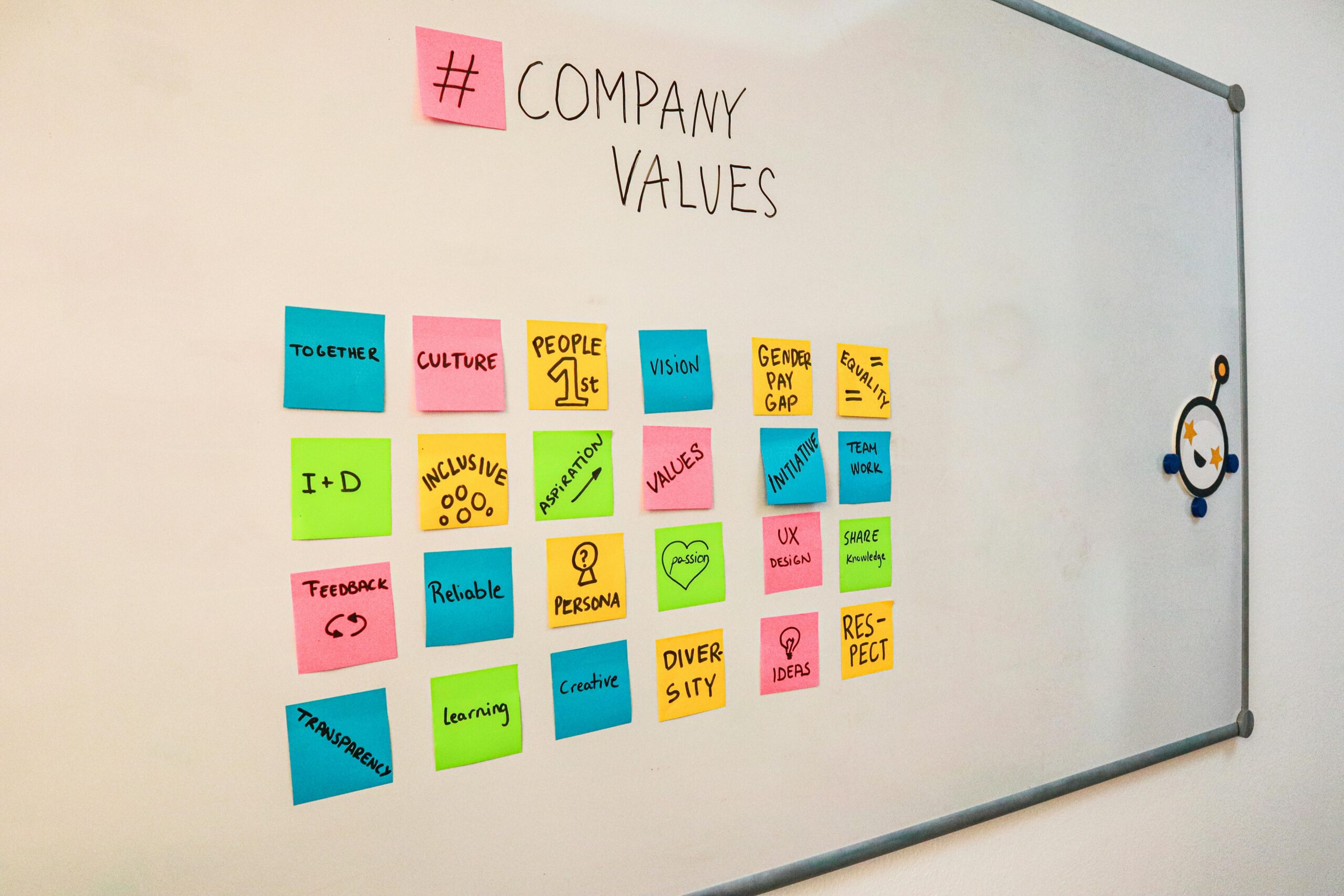

Seventeen years ago, I sat down for Chinese noodles with a friend.
Bernie and I ended up in a small restaurant in Seattle’s International District where we were clearly the outsiders. The food was authentic, the room was alive, and the conversation kept going long after the bowls were empty.
We talked about setting strategy, economic roadblocks, staffing realities, difficult clients, and the things people struggle with when the work gets hard.
That night still stays with me.
Not because we solved the world’s problems. We didn’t. It stays with me because it reminds me how much trust gets built when people stay in the conversation, especially when it becomes honest, personal, or uncomfortable.
That matters in business because strategic work depends on it.
Most strategic initiatives do not get into trouble because the team lacks technical skill. They get into trouble when people stop saying what needs to be said.
A risk gets softened.
A dependency gets hidden.
A status report stays green longer than it should.
A hard decision gets delayed because no one wants to force the conversation.
At first, it looks like normal project noise. A vague update. A missed handoff. A side conversation after the meeting. A concern everyone knows about, but no one puts in front of the right people.
That is how drift starts.
By the time leaders see the real picture, the issue has usually become more expensive, more political, and harder to fix.
Ruthless Transparency Is Not Bluntness
At Metagyre, we talk a lot about Ruthless Transparency.
That phrase can sound harsh if you hear it the wrong way. It can sound like permission to be blunt, call people out, or say whatever is on your mind and label it honesty.
That is not what we mean.
Ruthless Transparency means making the real condition of the work visible early enough to do something about it.
It means saying the timeline no longer looks real.
It means raising the vendor issue before it becomes a program issue.
It means showing the capacity problem instead of quietly working around it.
It means making ownership clear when the handoff is fuzzy.
It means telling the truth about the work while there is still time to protect the outcome.
That is the part many organizations miss. Transparency is not valuable because it feels honest. It is valuable because it creates action.
Trust Comes Before Transparency
Ruthless Transparency only works when there is trust.
Without trust, transparency turns into self-protection. People manage the message. They soften the words. They wait for more proof. They talk about the issue privately but avoid raising it in the room where decisions get made.
That is human nature. People protect themselves when they are not sure how the truth will be used.
If bad news creates blame, people will hide bad news.
If raising a risk makes someone look difficult, risks will show up late.
If leadership only rewards confidence, people will fake confidence.
Trust changes the conversation.
It makes it easier for someone to say, “We are not ready.”
It makes it easier to say, “That date is not real.”
It makes it easier to say, “We have a vendor problem.”
It makes it easier to say, “This decision cannot wait another week.”
Those statements are not negative. They are useful. They give leaders and teams a chance to act before the issue becomes larger than it needs to be.
Trust Is Built by What Happens Next
Trust does not come from telling people to be transparent.
It gets built by what happens after someone tells the truth.
Do leaders listen, or do they defend?
Does the team solve the problem, or look for someone to blame?
Does the person who raised the issue get help, or do they get labeled as difficult?
Does the conversation move toward action, or does everyone learn to keep their concerns quiet next time?
Those moments teach the team what is safe.
If honesty creates punishment, people will manage the message.
If honesty creates action, people will bring the truth forward sooner.
That is how trust gives birth to Ruthless Transparency.
And once it exists, it has to be protected. Every meeting, escalation, decision, and response to bad news either strengthens it or weakens it.
Transparency Becomes an Execution Control
In complex work, communication is not just a soft skill. It is part of the control system.
A good status meeting is not just a meeting.
A good risk review is not just governance.
A good escalation path is not just process.
Done well, these structures create regular places where the truth can show up. They help teams see trouble earlier, make better decisions, and keep the work from quietly drifting away from the plan.
This is why strong project structure matters.
It makes ownership clear.
It makes tradeoffs visible.
It gives people a place to raise concerns before those concerns become expensive.
It helps leaders hear what is really happening, not just what everyone hopes is happening.
That is where Ruthless Transparency becomes useful. Not as a slogan. As a working discipline.
Stay in the Conversation
That night over noodles with Bernie still matters to me because the conversation was real. It was not polished or planned. It was just two people staying in the conversation long enough for honest thoughts to show up.
The same thing is true in strategic work.
The best results happen when people set ego aside, speak with grace, listen with compassion, and stay in the conversation long enough to find the answer.
Ruthless Transparency does not start with being blunt.
It starts with trust.
And when trust is strong enough for people to tell the truth, the work has a much better chance of moving forward.
Ruthless Transparency Follow Up
Want to see how this works in practice? Start a conversation with our AI-based ROPE Framework Assistant, or read more about how the ROPE Framework helps leaders create visibility, accountability, and control in complex strategic initiatives.