
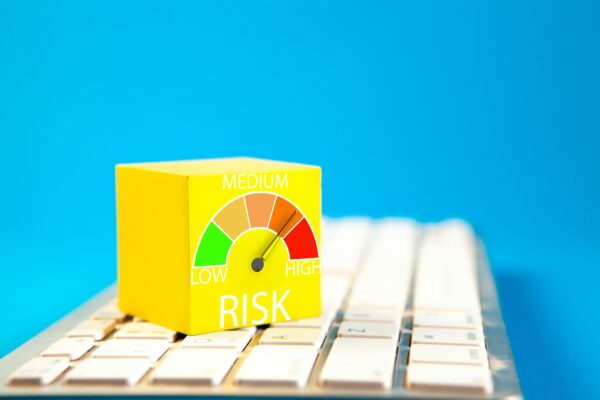
Risk sensing

Risk Sensing: Moving PMOs from Reactive to Predictive Risk Management

Traditional project risk management often depends on periodic reviews, risk registers, and subjective reporting. While these practices remain important, they frequently detect problems only after they have already begun affecting schedule, cost, or scope. A growing number of Project and Portfolio Management Offices are adopting risk sensing—a data-driven capability that continuously monitors signals across projects…

Read More
Risk Mitigation Frameworks

Strengthening Program Delivery with Advanced Risk Mitigation Frameworks

Effective program delivery hinges on the ability to anticipate and mitigate risks before they escalate into major issues. Advanced risk mitigation frameworks provide the structure and tools needed to identify uncertainties, assess their impact, and take preventive action. By integrating these frameworks into project and program management practices, organizations can achieve more predictable and successful…

Read More
Risk Scoring Model

How to Implement a Risk Scoring Model in Project Portfolios

Effective risk management is central to the success of any project portfolio. One innovative approach that provides clarity and consistency is the adoption of a risk scoring model. By quantifying risks through a standardized scoring system, organizations can make informed decisions, prioritize resources, and align risk mitigation strategies with their broader goals. What Is a…

Read More
Risk thresholds

The Role of Risk Thresholds in Strategic Decision-Making

In project portfolio management, risk management often centers on identifying, assessing, and mitigating risks. However, a critical yet underexplored aspect of risk management is establishing and adhering to risk thresholds—the predetermined levels of acceptable risk an organization is willing to tolerate. Risk thresholds empower project leaders to make informed decisions, balancing potential rewards against possible…

Read More
project governance compliance

Best Practices for Ensuring Project Governance and Regulatory Compliance

Effective project governance and regulatory compliance are key to minimizing risks, improving decision-making, and aligning with both internal goals and external regulations. Governance provides the structure for decision-making, while compliance ensures projects follow legal and policy requirements. Together, they protect an organization’s reputation and efficiency. A strong governance framework, backed by consistent compliance efforts, leads…

Read More
Identifying project risks

Key Strategies for Identifying Project Risks

Identifying potential risks early is crucial for steering projects toward success in project management. Risks, if not recognized promptly, can derail a project, leading to cost overruns, delays, and compromised quality. Implementing robust risk identification strategies helps project managers foresee and mitigate potential issues, ensuring smoother project execution. Why Risk Identification Matters Risk identification is…

Read More